 Reviews

 Proudly American
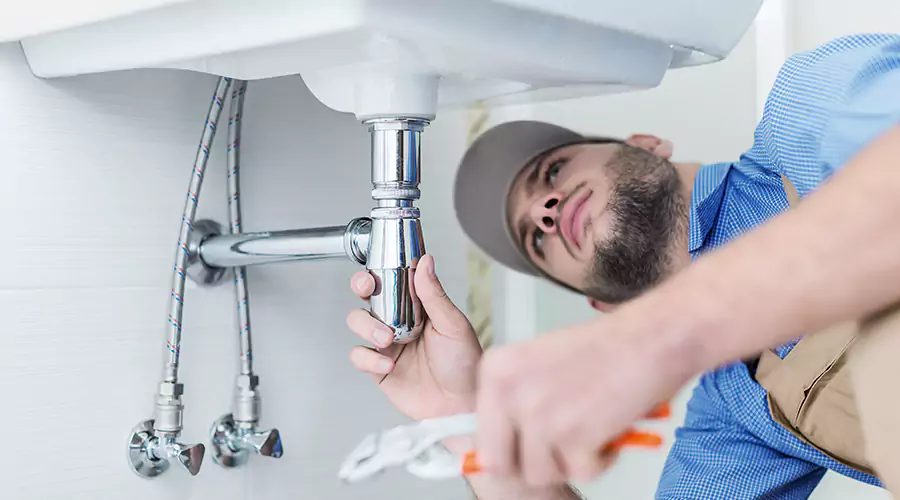
Plumbing leaks are a common issue in residential homes, yet many homeowners underestimate their financial impact. Even small leaks, if left unchecked, can waste hundreds or thousands of gallons of water annually, leading to significantly higher water bills. Beyond the monetary cost, leaks can damage your home’s structure, promote mold growth, and compromise copper, PVC, or PEX water pipe installations over time.
Understanding how leaks affect water usage and learning how to detect them early is essential for homeowners seeking to save money and maintain a safe, efficient plumbing system.
This guide explores how plumbing leaks contribute to unexpectedly high water bills and offers tips to prevent and manage leaks effectively.
How Plumbing Leaks Lead to Higher Water Bills
Leaking plumbing wastes water in ways that are often invisible to homeowners:
- Constant dripping faucets can waste hundreds of gallons of water annually.
- Running toilets—even small leaks—can account for a significant portion of increased water consumption.
- Hidden leaks behind walls, under floors, or beneath slabs can go unnoticed for months, steadily raising water bills.
- Faulty water heaters or supply lines may leak without visible signs, contributing to higher usage over time.
- Minor leaks in pipes, whether copper, PVC, or PEX, accumulate water waste, costing homeowners significantly if left unresolved.
Even seemingly insignificant drips can add up, making early detection critical to avoid unnecessary expenses.
Common Types of Plumbing Leaks
1. Faucet Leaks
Worn washers, O-rings, or faucet components often lead to slow drips. While a single drip seems minor, over months it can waste hundreds of gallons. Regular faucet maintenance prevents water loss and increases fixture longevity.
2. Toilet Leaks
Running toilets are a leading cause of high water bills. Faulty flappers, fill valves, or deteriorated wax seals allow continuous water flow from the tank to the bowl. Left unaddressed, these leaks can waste thousands of gallons annually.
3. Pipe Leaks
Cracked, corroded, or improperly installed copper or PVC pipe installations, including the main water line supplying your home may leak slowly behind walls, under floors, or underground. These hidden leaks often go unnoticed until they cause water damage or a noticeable increase in water bills.
4. Appliance Connections
Washing machines, dishwashers, and water heaters can develop slow leaks at hoses or fittings. Even minor appliance leaks contribute to rising water bills and may cause damage to flooring or cabinetry over time.
5. Slab Leaks
Leaks beneath a home’s foundation are among the most serious and costly. Slab leaks can persist for months without detection, continuously wasting water and potentially causing structural damage if not repaired promptly.
Signs You May Have a Plumbing Leak
Early detection is essential to prevent escalating water waste and bills. Homeowners should watch for:
- Unusually high water bills without increased usage
- The sound of running water when all faucets are off
- Water stains, damp spots, or mold on walls, floors, or ceilings
- Reduced water pressure in faucets or showers
- Puddles or wet areas near pipes, toilets, or appliances
Recognizing these indicators early allows for timely intervention and minimizes both water waste and property damage.
How to Prevent Plumbing Leaks from Increasing Bills
1. Regular Plumbing Inspections
Schedule inspections to check copper, PVC, or PEX water pipe installations, plumbing fixtures, and appliances. Professional plumbers can detect hidden leaks early, preventing expensive repairs and high water bills.
2. Maintain Faucets and Toilets
Replace worn washers, O-rings, and flappers promptly. Regularly inspect valves and seals to prevent drips and continuously running toilets.
3. Inspect Appliances and Water Heaters
Check hoses, connections, and tanks for leaks. Replacing aging components proactively prevents hidden water loss and protects surrounding areas from water damage.
4. Monitor Water Usage
Track water meter readings to detect sudden spikes in consumption. Unexplained increases often indicate leaks hidden behind walls or under floors.
5. Address Slab and Underground Leaks Promptly
Professional plumbers use advanced detection tools to locate and repair slab or underground leaks. Early intervention prevents structural damage, reduces water waste, and controls water bills.
Why Professional Plumbing Services Are Important
Professional plumbers provide essential expertise in detecting and repairing leaks:
- Advanced leak detection: Tools like moisture sensors, infrared cameras, and pipe inspection cameras locate leaks behind walls, under floors, or underground.
- Safe repairs: Professionals repair or replace damaged copper, PVC, or PEX water pipe installations efficiently and safely.
- Preventive maintenance: Plumbers offer guidance to avoid recurring leaks and reduce water wastage.
- Efficiency improvement: Ensures your home’s plumbing system operates optimally, keeping water bills under control.
Professional intervention not only saves money but also protects your home from long-term water damage.
Conclusion
Plumbing leaks are more than a nuisance—they can significantly inflate water bills while damaging your home. Common culprits include dripping faucets, running toilets, corroded or cracked pipes, faulty appliances, and hidden slab leaks.
Homeowners can reduce water waste and prevent high bills by monitoring usage, inspecting plumbing regularly, maintaining fixtures, and seeking professional plumbing services for inspection and repairs.
Prompt action to detect and repair leaks safeguards your home, preserves the integrity of copper, PVC, or PEX water pipe installations, and helps maintain an efficient, cost-effective plumbing system.
Take control of your water usage today—address leaks proactively to protect your home and save money.